Nutritionist Tips on Antioxidants for Eyes
Discover how powerful antioxidants protect your vision and support long-term eye health through evidence-based nutrition
The information on this site is for educational purposes only and does not constitute medical advice. Always consult a qualified healthcare professional before making health decisions.
Featured Articles on Eye Antioxidants
Explore comprehensive guides and expert insights on how antioxidants support vision health, prevent oxidative stress, and maintain optimal eye function throughout your life
Lutein and Zeaxanthin: The Eye's Natural Sunscreen
Learn why these powerful carotenoids accumulate in the macula and provide crucial protection against age-related macular degeneration and blue light damage.
Vitamin C: Shielding Your Eyes from Oxidative Damage
Discover how vitamin C reduces free radical formation, supports collagen synthesis in the cornea, and works synergistically with other antioxidants for comprehensive eye protection.
Vitamin E: The Lipid-Soluble Defender
Explore how vitamin E protects cell membranes in the retina from lipid peroxidation, supporting healthy vision and reducing the risk of cataracts and macular degeneration.
Zinc: Essential for Retinal Function
Understand zinc's critical role in vitamin A transport, rhodopsin synthesis, and protecting the retina from age-related changes. Learn which foods provide optimal zinc levels.
Anthocyanins: Purple Power for Vision
Investigate how anthocyanins from berries and dark vegetables enhance blood circulation to the eyes, reduce inflammation, and improve night vision and visual acuity.
Selenium: The Trace Mineral Guardian
Examine selenium's role in glutathione peroxidase production, immune function for eye health, and its synergistic effects with vitamin E and other antioxidants.
Beta-Carotene: Nature's Vitamin A Source
Learn how beta-carotene converts to vitamin A in your body, supporting rod and cone function, night vision, and overall retinal health with food-based sources.
Mediterranean Diet: Proven Eye Health Pattern
Discover how the Mediterranean dietary pattern combines multiple antioxidant-rich foods to provide comprehensive eye protection supported by scientific research and long-term studies.
Why Antioxidants Matter for Your Vision
Your eyes are constantly exposed to environmental stressors including UV radiation, blue light, pollution, and oxidative free radicals. These factors accumulate over time, potentially affecting the lens, retina, and macula—the areas responsible for sharp, clear vision.
Antioxidants work by neutralizing harmful free radicals before they damage delicate eye tissues. Strategic dietary intake of antioxidant-rich foods strengthens your eyes' natural defenses and supports optimal visual function at every life stage.
Protects Against Macular Degeneration
Lutein and zeaxanthin accumulate in the macula, directly shielding it from oxidative damage and supporting long-term central vision health.
Reduces Cataract Risk
Vitamins C and E work together to prevent lens clouding caused by oxidative stress, maintaining transparency and visual clarity throughout life.
Supports Retinal Function
Antioxidants maintain the health of photoreceptor cells and retinal pigment epithelium, essential for color vision and night vision performance.
Reduces Inflammation
Polyphenols and anthocyanins lower systemic inflammation that can affect eye tissues, supporting overall ocular comfort and stability.
Common Questions About Eye Antioxidants
Answers to frequently asked questions about how antioxidants support eye health and optimal nutrition strategies
The primary antioxidants for eye health include lutein and zeaxanthin (carotenoids), vitamin C, vitamin E, zinc, selenium, and anthocyanins. Lutein and zeaxanthin are particularly crucial because they accumulate in the macula, the area responsible for sharp central vision. Vitamin C provides powerful free-radical neutralization, while vitamin E protects cell membranes. Zinc supports vitamin A transport and retinal function. Selenium acts as a cofactor for glutathione peroxidase, an essential antioxidant enzyme. Anthocyanins from berries enhance blood circulation to the eyes and reduce inflammation.
Lutein and zeaxanthin are abundant in dark leafy greens, particularly spinach, kale, and collard greens, which contain some of the highest concentrations per serving. Broccoli, Brussels sprouts, and green peas also provide significant amounts. Orange and yellow vegetables like squash and pumpkin contain carotenoids that convert to these protective compounds. Egg yolks are unique because they contain both lutein and zeaxanthin in a highly bioavailable form with fat that aids absorption. Adding just one serving of leafy greens daily can substantially increase your intake of these critical eye-protective compounds.
The recommended dietary allowance for vitamin C is 90 mg daily for adult men and 75 mg for adult women. However, research on eye health suggests that higher intakes—ranging from 250 to 500 mg daily—may provide additional protective benefits for reducing cataract risk and supporting retinal health. Excellent sources include citrus fruits (oranges, lemons, grapefruits), kiwi, berries, peppers, tomatoes, and broccoli. Since vitamin C is water-soluble and not stored in the body, consistent daily intake through multiple servings of fresh produce is ideal.
While antioxidant-rich foods provide substantial protective benefits and reduce risk for age-related macular degeneration, cataracts, and other oxidative eye conditions, they are part of a comprehensive eye health strategy. Genetics, overall lifestyle, UV protection, regular eye exams, healthy sleep, stress management, and avoiding smoking also significantly influence eye health. Antioxidants work best as preventive nutrition within a broader healthy lifestyle. They support the eye's natural defense systems and slow age-related changes, but cannot reverse all existing conditions. Consistent dietary intake combined with these other factors offers the best protection.
Food sources are generally superior to supplements for several reasons. Whole foods provide antioxidants alongside complementary vitamins, minerals, fiber, and phytochemicals that work synergistically. Your body absorbs and utilizes nutrients from food more effectively because of the complex interactions with other food components. Additionally, food-based antioxidants come with naturally balanced ratios that evolution has optimized. That said, supplementation can be appropriate for individuals with specific dietary restrictions or documented deficiencies. The best approach is prioritizing whole food sources of antioxidants—colorful vegetables, fruits, nuts, seeds, and whole grains—and consulting with a nutritionist about whether supplementation fits your individual needs.
Antioxidants are sensitive to heat, light, and prolonged storage, so preparation method matters. Raw consumption preserves the maximum amount of vitamin C and heat-sensitive antioxidants. Light steaming (3-5 minutes) preserves most nutrients while making certain foods safer and sometimes increasing bioavailability of compounds like lycopene in tomatoes. Avoid boiling, as water-soluble antioxidants leach into the cooking liquid. Store produce in cool, dark places and consume relatively fresh rather than after extended storage. Frozen fruits and vegetables are excellent because they're frozen at peak ripeness when antioxidant levels are highest, making them sometimes superior to fresh produce shipped long distances. Cooking with minimal water and fat-soluble antioxidants (like lutein) actually improves absorption when paired with healthy fats like olive oil.
Visual Guide to Key Eye Antioxidants
Understand where different antioxidants come from and how they protect specific areas of your eyes
Lutein & Zeaxanthin
These carotenoids concentrate in the macula and filter harmful blue light. Found in spinach, kale, broccoli, and egg yolks.
Protects: Macula, central vision, blue light exposure
Vitamin C
Water-soluble antioxidant that neutralizes free radicals throughout the eye. Rich in citrus, berries, peppers, and kiwi.
Protects: Lens, cornea, aqueous humor, reduces cataract risk
Vitamin E
Fat-soluble antioxidant protecting cell membranes. Found in nuts, seeds, vegetable oils, and leafy greens.
Protects: Retinal cells, photoreceptors, lipid peroxidation prevention
Anthocyanins
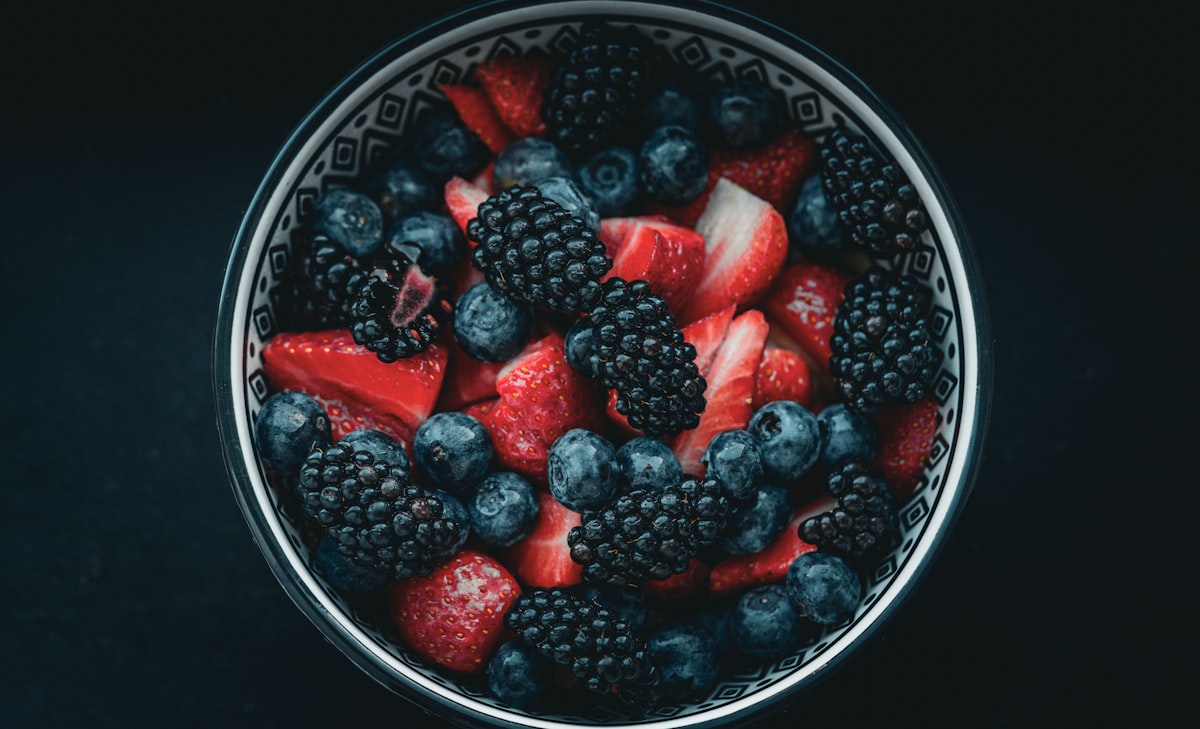
Powerful polyphenols that enhance blood flow and reduce inflammation. Abundant in blueberries, blackberries, and purple foods.
Protects: Vascular health, night vision, retinal circulation