
Nutritionist Tips on Antioxidants for Eyes
Discover science-backed strategies to protect your vision through powerful antioxidant-rich foods and lifestyle practices. Learn from nutrition experts how to maintain optimal eye health naturally.
The information on this site is for educational purposes only and does not constitute medical advice. Always consult a qualified healthcare professional before making health decisions.
Why Your Eyes Need Antioxidant Protection
Your eyes are constantly exposed to harmful free radicals from UV light, screen time, and environmental stress. Antioxidants work by neutralizing these free radicals, protecting the delicate structures of your eyes from oxidative damage.
Scientific research shows that a diet rich in antioxidants like lutein, zeaxanthin, vitamins C and E, and zinc can significantly support long-term visual clarity and comfort. The macula, a critical part of your retina responsible for central vision, particularly benefits from consistent antioxidant intake.
- Protects the macula from age-related degeneration
- Reduces eye strain from prolonged digital screen use
- Enhances visual contrast sensitivity for sharper perception
- Supports natural lens clarity over the long term
Six Essential Antioxidants for Eye Wellness
Learn about the most researched and effective nutrients that nutritionists recommend for maintaining healthy vision throughout your life.
Lutein
This carotenoid concentrates in the macula and filters harmful blue light, protecting photoreceptor cells. Leafy greens like spinach, kale, and broccoli are your best dietary sources.
Recommended intake: 10-20 mg daily through food sources
Zeaxanthin
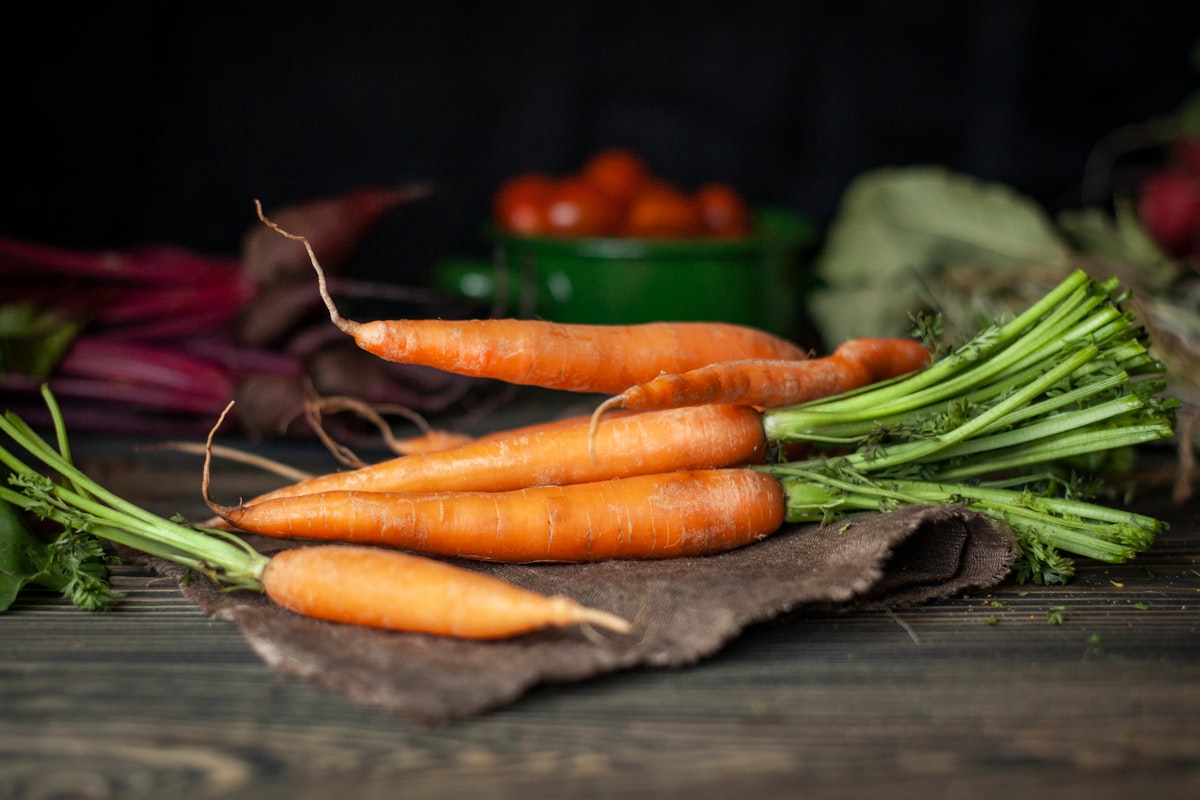
Working alongside lutein, zeaxanthin acts as a natural sunscreen for your retina. It's abundant in corn, bell peppers, and orange-pigmented vegetables.
Recommended intake: 2-10 mg daily from whole foods
Vitamin C
A water-soluble antioxidant that prevents oxidative damage in the aqueous humor and lens. Citrus fruits, berries, and kiwi provide excellent amounts.
Recommended intake: 500-1000 mg daily through diverse food sources
Vitamin E
This fat-soluble antioxidant protects cell membranes from oxidative damage. Nuts, seeds, vegetable oils, and avocados are nutrient-dense sources.
Recommended intake: 15-30 IU daily from balanced nutrition
Zinc
Essential for vitamin A absorption and antioxidant enzyme production in the retina. Oysters, pumpkin seeds, and legumes deliver bioavailable zinc.
Recommended intake: 8-11 mg daily for adults
Anthocyanins
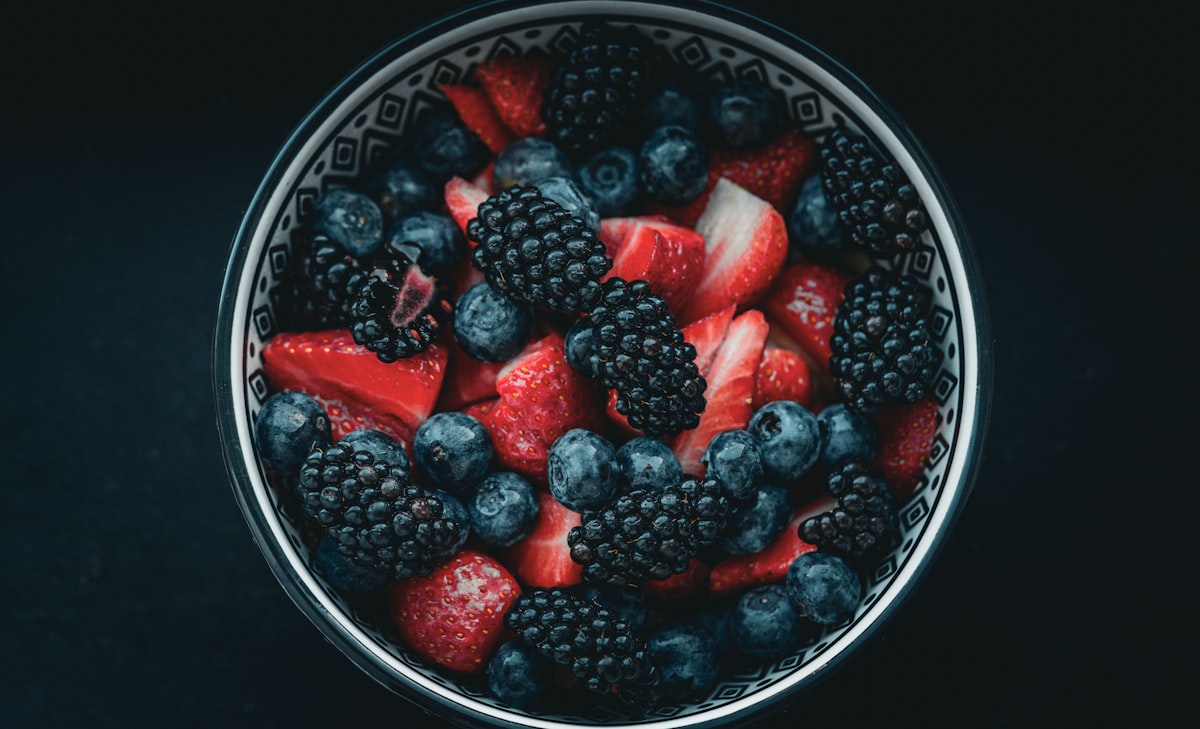
Flavonoid compounds in dark berries that improve blood flow to the eyes and reduce inflammation. Blueberries, blackberries, and bilberries are excellent sources.
Recommended intake: 150-300 mg daily from fresh or frozen berries
Top Antioxidant-Rich Foods for Eye Health
Visual guide to nutrient-dense foods that nutritionists recommend for optimal vision support and long-term eye wellness.
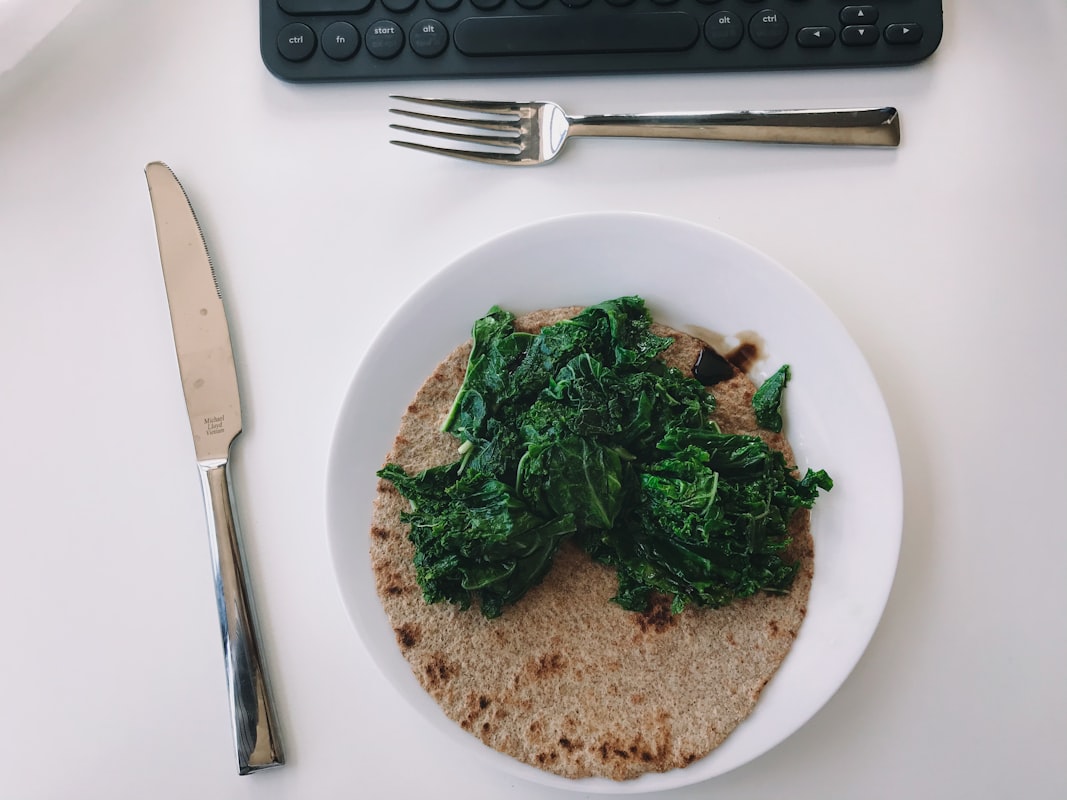
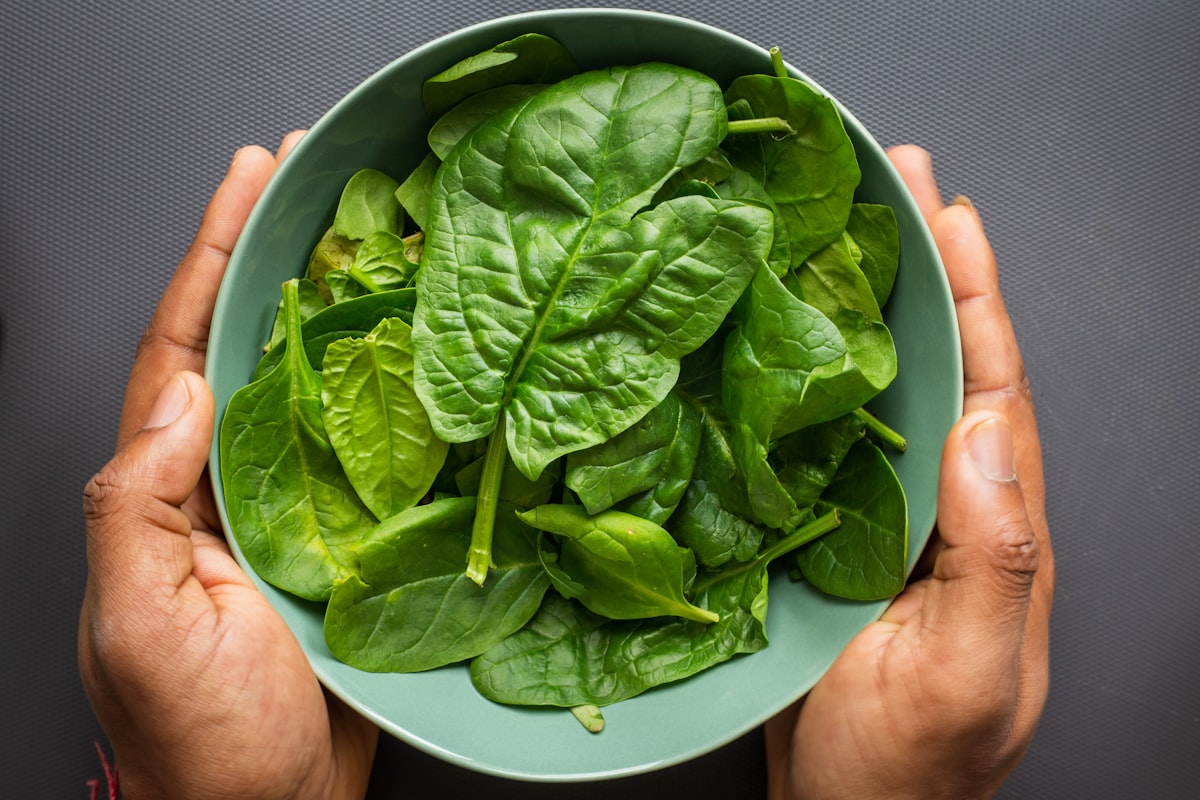
Spinach & Kale
Dark leafy greens packed with lutein and zeaxanthin. Best consumed raw or lightly cooked to preserve antioxidant content.
Blueberries & Blackberries
Rich in anthocyanins and vitamin C. These berries improve microcirculation to the eyes and protect against blue light damage.

Bell Peppers
Orange, red, and yellow varieties offer zeaxanthin and vitamin C. Eat them fresh in salads for maximum nutrient retention.

Almonds & Seeds
Excellent source of vitamin E and zinc. A small handful daily provides significant antioxidant support for eye tissue.
Salmon & Fish
Rich in omega-3 fatty acids that support retinal health and reduce inflammatory processes in the eye.
Citrus Fruits
Oranges, lemons, and grapefruits provide concentrated vitamin C. Consume whole fruit for fiber and additional phytonutrients.
5-Step Daily Routine for Eye Wellness
Implement these evidence-based practices recommended by nutrition experts to maximize antioxidant benefits and support lifelong vision health.
Morning: Start with Antioxidant-Rich Breakfast
Begin your day with a breakfast combining dark leafy greens, berries, and nuts. A smoothie with spinach, blueberries, almonds, and vitamin C-rich citrus creates a powerful antioxidant foundation. This kickstarts your body's defense against free radical damage throughout the day.
Mid-Morning: Take the 20-20-20 Screen Break
Every 20 minutes of screen time, look at something 20 feet away for 20 seconds. This reduces eye strain and allows your eye muscles to relax. During this break, hydrate with water and consider a handful of antioxidant-rich nuts or seeds for sustained energy and micronutrient intake.
Lunch: Include Colorful Vegetables & Lean Protein
Prepare meals featuring orange and red bell peppers, roasted carrots, or sautéed kale alongside grilled salmon or chicken. The combination of carotenoids from vegetables and omega-3s from fish creates synergistic support for ocular health and reduces overall inflammation.
Afternoon Snack: Fresh Berries or Citrus
Around 3-4 PM, eat a portion of fresh blueberries, blackberries, or an orange. This mid-afternoon boost provides sustained vitamin C and anthocyanins while stabilizing blood sugar. The natural sugars fuel energy without spiking insulin, supporting consistent ocular nutrient delivery.
Evening: Dinner with Healthy Fats & Greens
Finish your day with a dinner containing olive oil, avocado, or nuts combined with leafy greens. The fat-soluble antioxidants (lutein, zeaxanthin, vitamin E) require dietary fat for optimal absorption. This meal supports nutrient transport and evening recovery of eye tissues stressed during the day.
Antioxidant Content Comparison
Quick reference guide showing antioxidant density in commonly available foods, based on nutritionist recommendations.
| Food Item | Lutein (mg/100g) | Vitamin C (mg/100g) | Vitamin E (mg/100g) | Zinc (mg/100g) |
|---|---|---|---|---|
| Kale (raw) | 39.6 | 120 | 2.0 | 0.56 |
| Spinach (raw) | 12.2 | 51 | 2.5 | 0.53 |
| Corn (cooked) | 0.54 | 6.4 | 0.12 | 0.36 |
| Blueberries (fresh) | 0.3 | 9.7 | 0.57 | 0.29 |
| Almonds (raw) | 0 | 0 | 25.6 | 3.12 |
| Salmon (cooked) | 0 | 4.3 | 0.80 | 0.51 |
| Orange (fresh) | 0 | 53.2 | 0.18 | 0.07 |
Values based on USDA nutritional database. Amounts vary by ripeness, growing conditions, and preparation method. Nutritionists recommend consuming a diverse range rather than focusing on single items.
Frequently Asked Questions
Real Stories from Our Community
Learn how others successfully manage their diabetes with informed nutrition choices.
Maria G.
Type 2 Diabetes, 18 months
"Learning which fruits work best for my blood sugar has been a game-changer. I can now enjoy berries and apples without the guilt. My A1C dropped by 1.2 points!"
James K.
Type 1 Diabetes, 5 years
"The detailed nutritional breakdowns help me calculate insulin doses more accurately. I feel more confident making food choices and have better glucose stability."
Sarah L.
Recently Diagnosed, 6 months
"After my diagnosis, I felt overwhelmed. This guide made everything clear and manageable. I've learned to make smart choices without eliminating foods I love."
Ready to Take Control of Your Nutrition?
Join thousands of people who are making informed food choices and improving their diabetes management every day. Download our free guide and start your journey today.
Ernaehrungdiabetes
Evidence-based nutrition guidance for diabetes management.
© 2024 Ernaehrungdiabetes. All rights reserved. | Disclaimer: This content is educational and not a substitute for professional medical advice. Always consult your healthcare provider before making dietary changes.